


When I think about Darren Aronofsky's work, I think about "kinetic energy": The integration of movement and editing that keeps up a brisk pace, even when people are asking him to slow down. I think we've seen enough movies that feel like a shamble, starting and stopping with each new scene, but Aronofsky nearly mastered a flow to his direction that is the foundation of his style.
Between violent and 2 shot dialogue scenes, there is an inherent forward momentum to so much of his movies, where career-long collaborating cinematographer Matthew Libatique captures moments with great care and consideration. Movements, minor and major, are followed. A beginning scene with Russian mobsters is filmed and cut with great attention to detail, raising it above the usual stoic Fincher-inspired neo-noir styling.
A chase scene uses an obviously wide angle lens to invoke surreal movement towards the second act of the movie.
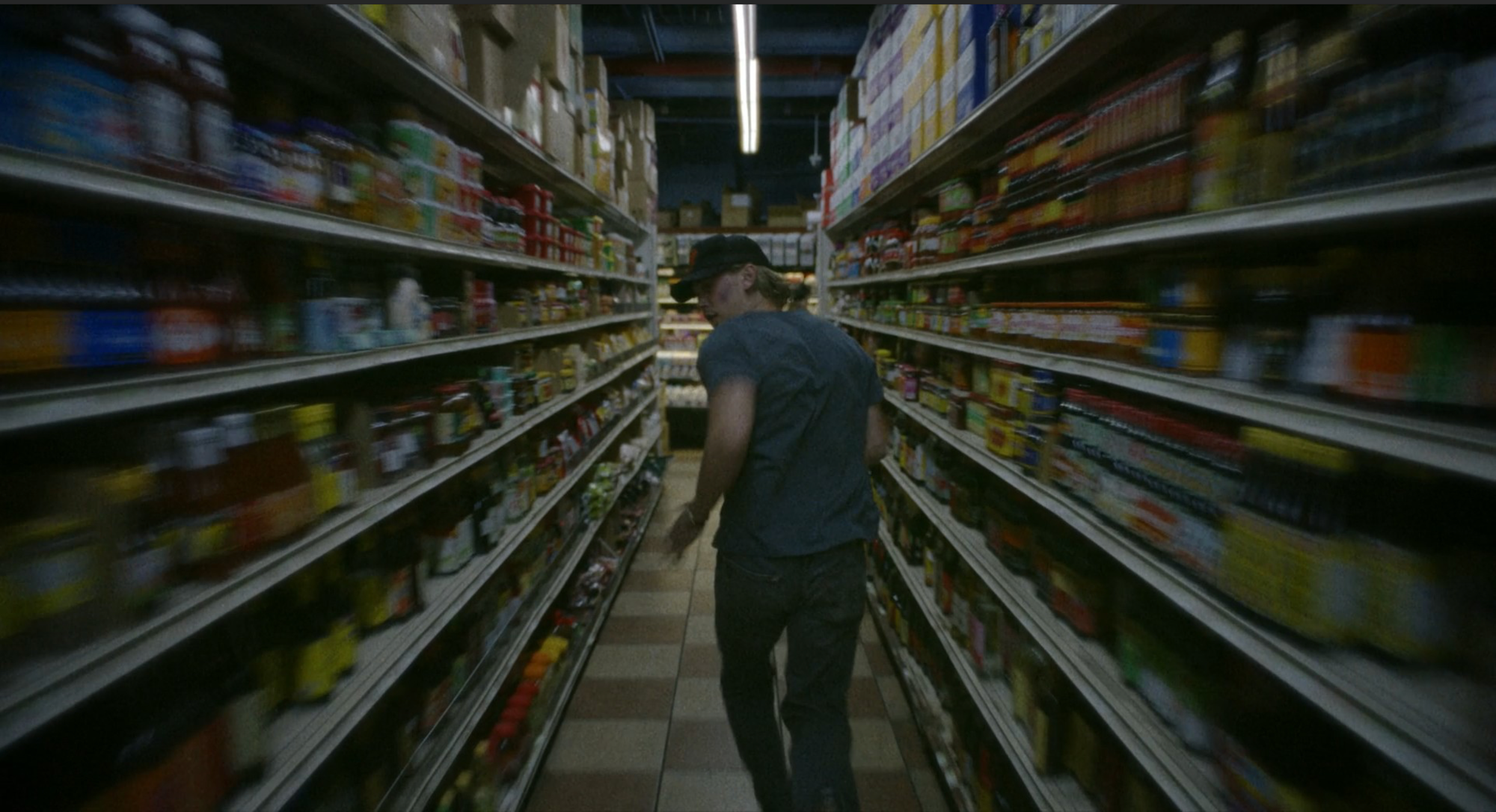
The wide angle has been used by Aronofsky for many of his grimiest films, which has always given me the sense of irrationality in the face of someone trying to maintain control over their lives.
A secondary basis to his style is the respect he has for the physical environment surrounding the character. He doesn't lean on depth of field techniques that isolate characters from their typically grimy interiors and exteriors, except when needed for psychological isolation.
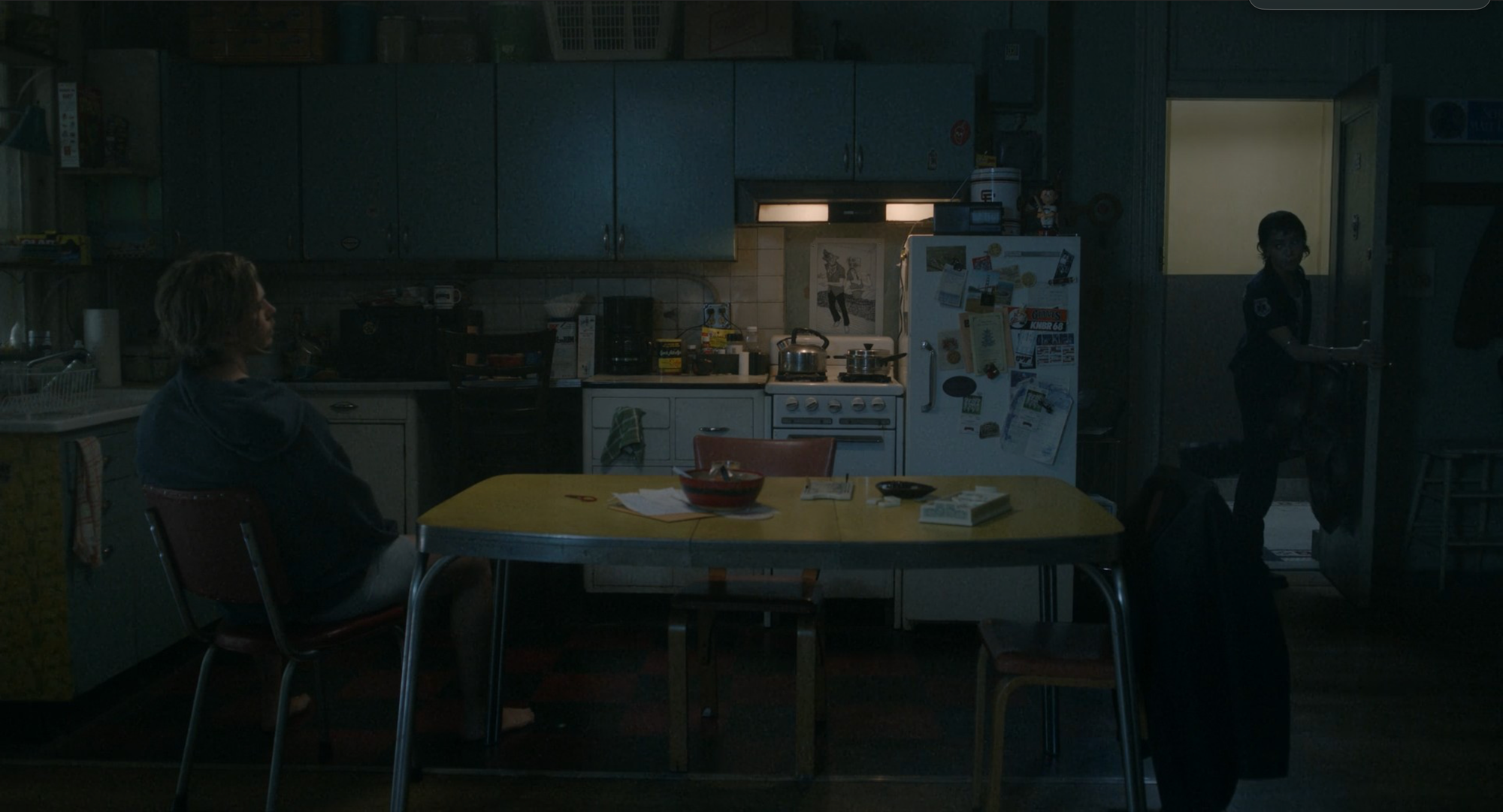
Cities and apartments provide context and characterization to the people who live in them. From "mother!" to "Requiem for a Dream" to "Caught Stealing" to "The Whale", we can understand the character's situation, because home is where so many of the characters work out their stories.
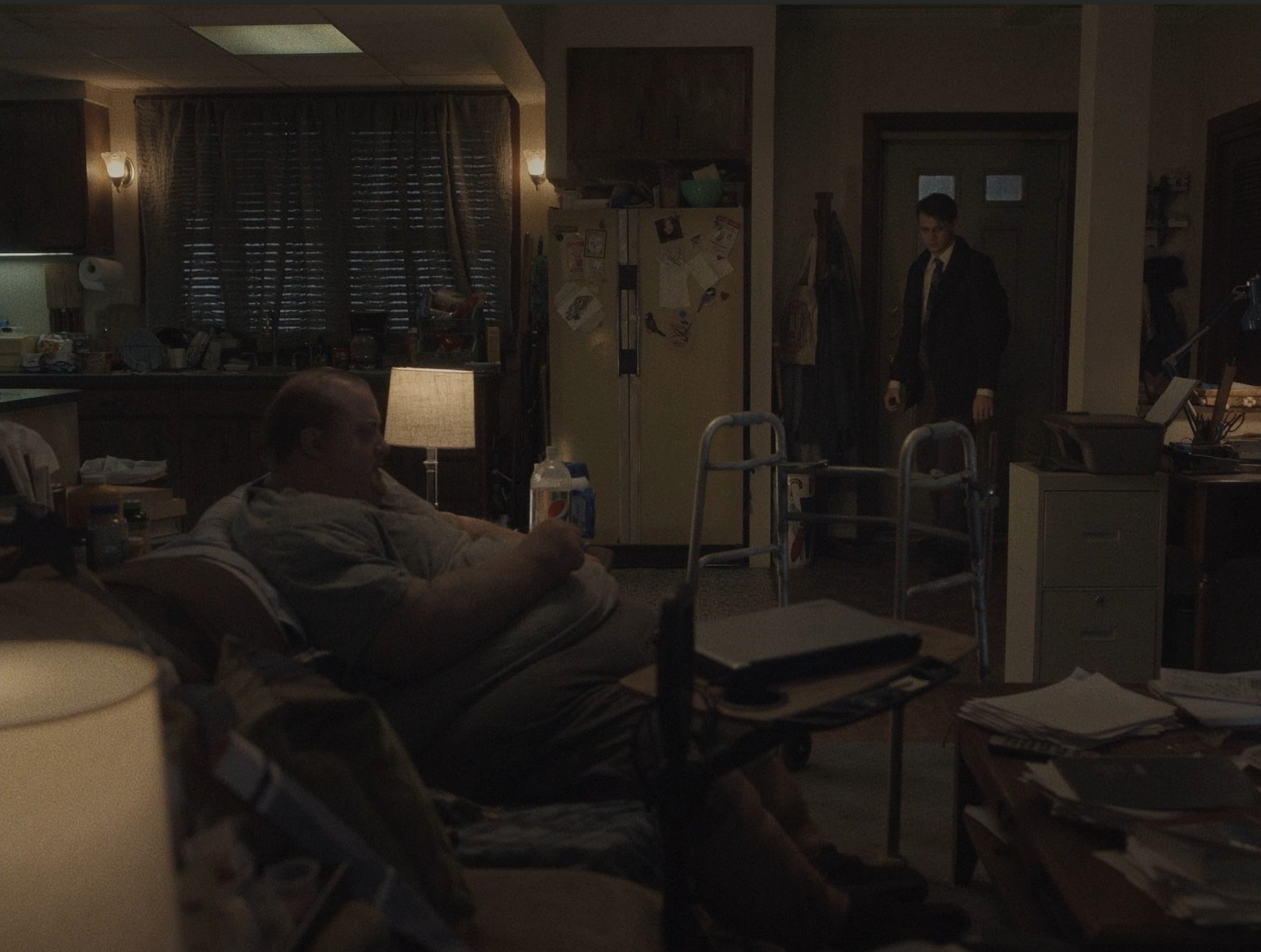
However, there's a polarizing catch to Aronofsky's style...
While I have many positive things to say about Aronofsky as a director and his stylistic glue, the most paradoxical strength and weakness of his voice is that a lot of his work is thematically kinda stupid. But beautifully stupid
With all the movies I listed above, to ones that I can't really remember, I just remember the beautiful obviousness to what should be subtext. Characters vocalize Aronofsky's proposed themes. You'll see it in "Caught Stealing". You'll see it in "mother!". You'll see it in "The Whale".
Subtext is usually thrown out the window for this director. And, as a very limited lover of great 20th century adapted plays like "Glengarry Glen Ross" and "Who's Afraid of Virginia Woolf?", I actually love the lack of subtext. These movies are made like punk rock (which not-so-coincidentally sets the musical tone of "Caught Stealing"), up front, in your face, nothing to hide.
Thematically, these are not clever movies. They are cleverly filmed and edited, but as I said before they are beautifully stupid in expression. Hey, Quentin Tarantino is only a few steps behind Aronofsky in this department. Yet Tarantino is, as stereotypical as it is, my favorite director.
Back to "Caught Stealing"
I don't think you need the plot details of the movie like a normal review. You can just go to Rotten Tomatoes for that.
Here are my thoughts: We have Aronofsky's least ambitious movie, except an ambition to do something different. While his subject matter has been generally eclectic, he is usually attracted to an overblown thematics of religion, alienation, decay, and tension between control and chaos.
The last one holds over to "Caught Stealing", with the character living through a "Big Lebowski" miscommunication-neo-noir plot that becomes a chaotic killing spree that is more tongue in cheek than grisly. This is a genre movie, a crime thriller, that needs to follow a specific formula to stick the landing, but the surprising twists in the first and second acts would make the audience, at least myself, think that something very different should have happened.
The structure of character deaths in this movie are sudden and unexpected, but don't have nearly the same impact as the same execution by the Coen Bros. It creates expectations that the movie should turn out much darker and contemplative than what it ended up being.
In other words, as other people on the internet has more succinctly said it, there is a "tonal whiplash" between somber deaths and the silliness of the premise.
The script is written by Charlie Huston, who also wrote the original 2004 book. I can't tell if Huston's script was modified by Aronofsky's own stylistic direction, but some of the choices feel as if they were.
The highlights of the movie are the antics of the mobster stereotypes, from the corrupt police, Russian mobsters, a Puerto Rican drug dealer, to the Hassidic Jews, the last of which provide a lot of heart to the movie during the last act.
As I've said before, the movie's use of New York City and the interior designs of bars and apartments are great, and bring to life a stylized vision of 1998. This movie was truly an ode to late-90s/early-00s grunginess, and I always enjoy the lived-in-ness of the more inspired period movies.
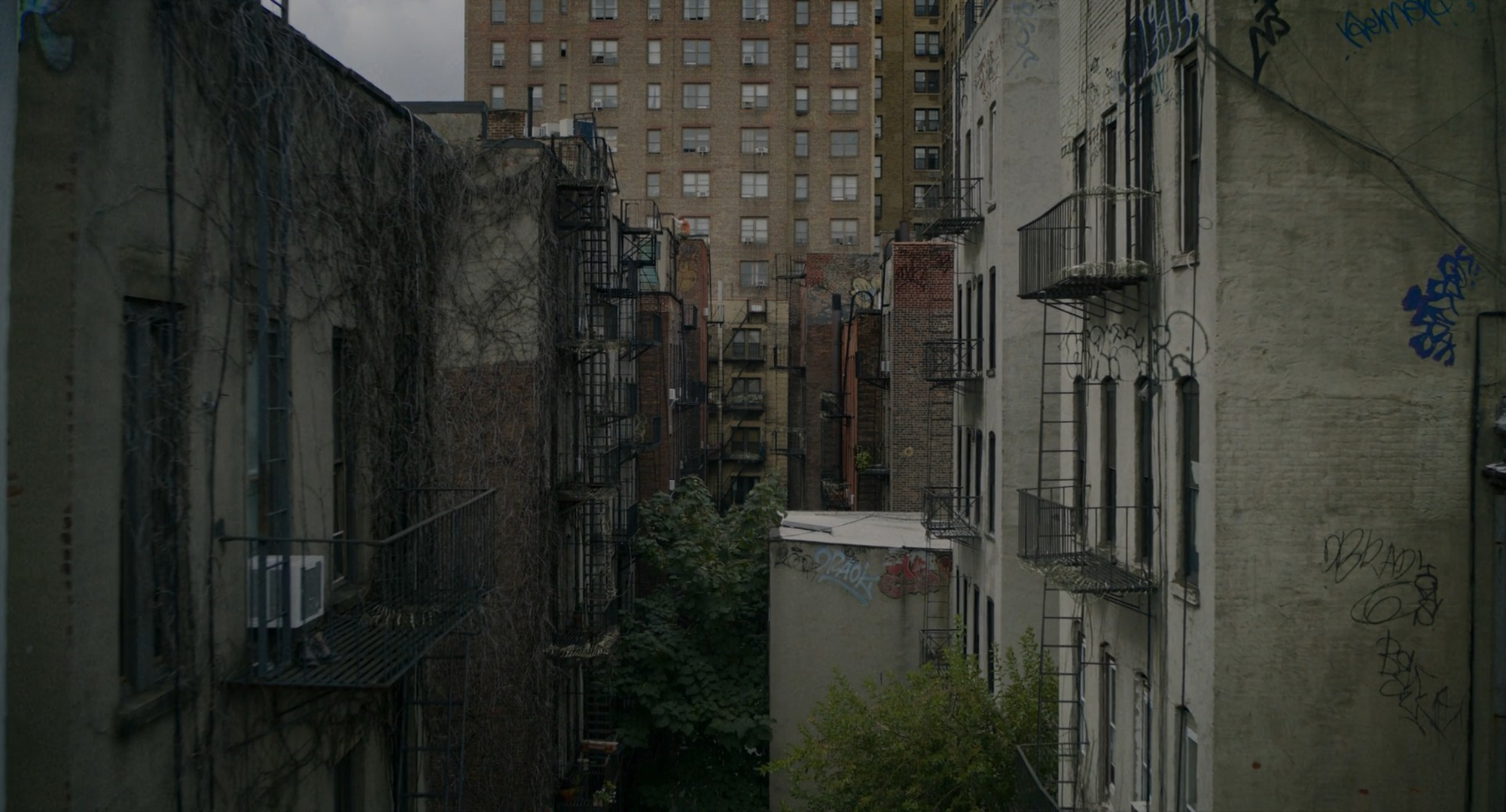
Ultimately, the movie adds up to Aronofsky's lightest, least auteur-like work I've seen, but I am grateful that he made a fun movie. It's kinetic, physical, vibrant, and flows so well until the third act, which has moments of inspiration but gets drug down by the genre it lives in.
I just hope for two things: 1, he doesn't veer too far away from the wild swings of "mother!" and "The Whale" (maybe he can follow the Scorsese "one for them, one for me" approach); 2, that he finds a better footing in genre films like this if he chooses to continue making them, because it was so solid, but could be elevated even more by Aronofsky's unique voice.
Thanks for reading,
Dom
Discussion